

NASHVILLE, Tenn. — Country music icon Willie Nelson is once again at the center of a national conversation after reportedly making pointed remarks about former President Donald Trump during a recent public appearance. The comments, which quickly circulated online, have ignited debate across political, cultural, and entertainment circles.
According to attendees and video clips shared widely on social media, the 93-year-old musician criticized Trump's leadership style and approach to global conflict, characterizing it in stark terms. In one quote that has since been reposted thousands of times, Nelson allegedly described Trump as someone who "creates conflict to survive politically."
The remark — delivered calmly rather than in an impassioned tone, according to witnesses — immediately triggered strong reactions from both supporters and critics.
A Rarely Muted Voice

Willie Nelson has long blended music with activism. Throughout his six-decade career, he has spoken openly about issues including war, civil liberties, environmental concerns, and agricultural policy. While he is best known as a foundational figure in the outlaw country movement, Nelson has never fully separated his artistic identity from his civic beliefs.
However, direct references to specific political figures have historically been less common in his public statements. That context has amplified attention surrounding his latest remarks.
"Willie has always been outspoken about peace," said a Nashville-based music historian. "But directly naming a political figure in such explicit terms raises the stakes."
Social Media Erupts
Within hours of the alleged comments being posted online, hashtags referencing Nelson and Trump began trending across multiple platforms. Supporters of Nelson praised his willingness to speak candidly, framing his words as a warning grounded in decades of life experience.
"He's seen more history than most of us ever will," one user wrote. "When he speaks about war and leadership, people listen."
Critics, meanwhile, accused Nelson of stepping too far into partisan territory. Some argued that entertainers should refrain from direct political attacks, particularly during a heated election cycle.
"This isn't music — it's politics," another user responded. "And it divides audiences."
The polarized reaction reflects the broader national climate, where cultural figures frequently find themselves navigating the blurred boundaries between entertainment and political discourse.
A Broader Context of Political Engagement

Nelson's history of advocacy is well documented. He co-founded Farm Aid in 1985 to support struggling American farmers and has consistently voiced support for veterans, criminal justice reform, and nonviolent conflict resolution. His opposition to war has been a recurring theme in interviews and benefit concerts.
Political analysts note that his latest comments appear consistent with his long-standing emphasis on peace and skepticism toward aggressive rhetoric in leadership.
"From his perspective, this likely isn't about party lines," said a political communications professor. "It's about his philosophical opposition to policies he perceives as fueling division or conflict."
Still, directly associating those concerns with a named political figure elevates the conversation from abstract principle to pointed critique.
No Immediate Response
As of this writing, representatives for Donald Trump have not issued an official statement responding to Nelson's reported remarks. Campaign affiliates and supporters, however, have responded online, challenging both the accuracy and the interpretation of Nelson's comments.
Some political observers caution that viral clips can lack full context, urging viewers to consider the entirety of the exchange rather than isolated excerpts.
"In the social media era, nuance often gets lost," said a veteran media analyst. "A single sentence can overshadow a broader discussion."
The Role of Artists in Political Debate
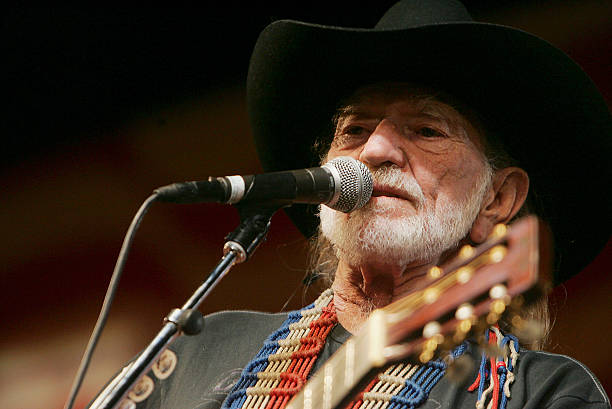
The incident reignites a longstanding question in American culture: what role should artists play in political life?
From Bob Dylan's protest songs to modern celebrity endorsements, musicians have historically influenced civic dialogue. Yet direct criticism of named individuals often intensifies backlash.
Supporters argue that public figures have the same right — and perhaps responsibility — as any citizen to voice concerns about leadership and national direction. Critics counter that celebrity influence can amplify polarization rather than foster constructive debate.
For Nelson, who has spent decades cultivating an image of independence and authenticity, speaking candidly may be viewed as consistent with his character.
"He's never been known for tailoring his words to avoid controversy," said one longtime fan. "Agree or disagree, he tends to say what he believes."
Cultural Impact Beyond the Moment
At 93, Nelson occupies a unique place in American life. His longevity gives his statements historical resonance, while his continued visibility ensures wide attention.
Whether his remarks will have measurable political impact remains uncertain. What is clear is that they have added fuel to an already intense national conversation about leadership, war, and civic responsibility.
In a deeply divided political landscape, even a brief comment from a cultural icon can reverberate far beyond the stage.
As debate continues online and across media outlets, one reality remains evident: when Willie Nelson speaks — especially about peace and power — America listens, even if it does not agree.