

Los Angeles — March 2026
For more than sixty years, Ringo Starr has carried one of the most recognizable rhythms in modern music.
From the explosive rise of Beatlemania in the 1960s to decades of touring with his All Starr Band, the drummer born Richard Starkey has remained a steady presence in the music world. While many artists from his era gradually disappeared from public view, Ringo continued performing well into his eighties, appearing on stage with the same relaxed humor and familiar greeting that fans have come to expect.
That is why recent news suggesting that the legendary musician is stepping back from several ongoing projects has captured attention across the music community.
According to people close to the artist, the decision was not driven by a single dramatic moment but by something far more ordinary — the passage of time.
Now in his mid-eighties, Ringo Starr has continued working at a pace that many younger musicians would find demanding. Touring schedules, recording sessions, charity events, and public appearances have remained part of his routine long after most performers might have chosen retirement.
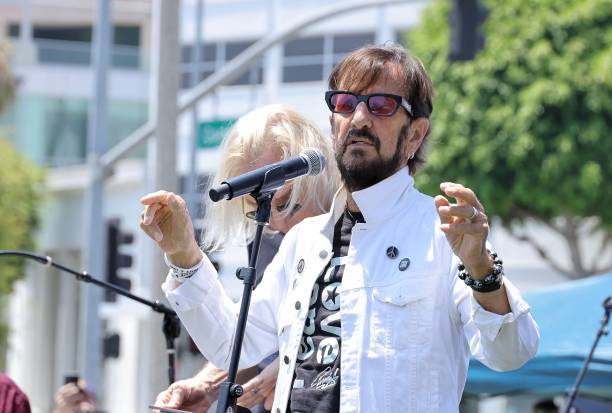
For audiences, that dedication often felt inspiring. Seeing a member of The Beatles still walking onto a stage decades after the band changed the course of popular music created a sense of continuity between past and present.
Yet behind the scenes, the reality of maintaining that pace has gradually become more difficult.
Sources close to Ringo say he had quietly begun considering whether it might be time to slow down. The decision, they suggest, was less about abandoning music and more about protecting the health and balance needed to continue enjoying life.
For fans, the news triggered an immediate emotional response.
Within hours of the announcement circulating online, social media filled with messages of support from listeners across generations. Some shared memories of the first time they heard a Beatles record. Others recalled seeing Ringo perform live during his All Starr Band tours, where he often turned classic songs into communal sing-along moments.
Many of those messages carried a similar tone: gratitude.
After all, Ringo Starr's career is not defined only by longevity. It is defined by the role he played in shaping one of the most influential bands in modern history.
When The Beatles first emerged from Liverpool in the early 1960s, their music transformed the global landscape of popular culture. While John Lennon and Paul McCartney often stood at the center of songwriting attention, Ringo provided the rhythmic backbone that anchored the group's sound.
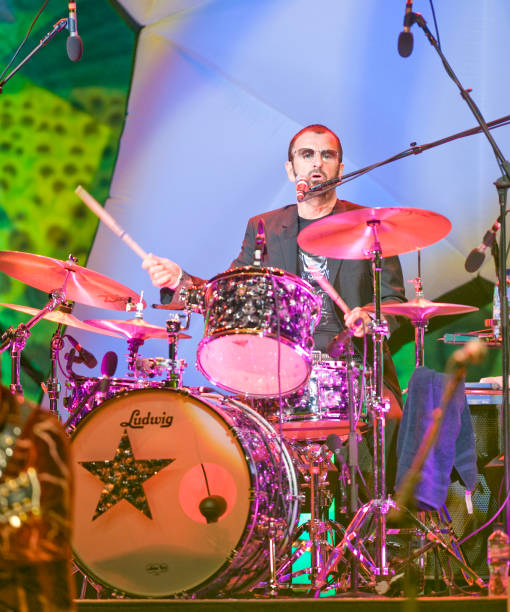
His drumming style was distinctive not because it was flashy but because it was musical. Ringo approached rhythm with the instincts of a storyteller, shaping songs from the inside rather than competing for attention within them.
That philosophy continued long after the Beatles disbanded in 1970.
In the decades that followed, Ringo reinvented himself as both a solo artist and a bandleader. His All Starr Band tours became a unique celebration of musical collaboration, bringing together performers from different eras to share the stage in a rotating lineup.
For audiences, the concerts felt less like traditional shows and more like gatherings of musical history.
Through it all, Ringo maintained the same public personality that had charmed fans during the Beatles' earliest television appearances: relaxed, humorous, and approachable.
Even as time passed, that spirit rarely changed.
Which is why the recent decision to step back has prompted reflection across the music world. It reminds listeners that even the most enduring figures of rock history are still human beings, living inside bodies that cannot ignore the passing of decades.

Yet for many fans, the reaction has been less about sadness and more about perspective.
The music Ringo helped create continues to echo through generations. Beatles songs remain part of global culture, played in homes, stadiums, films, and celebrations around the world.
Those recordings are unlikely to disappear anytime soon.
And while the pace of Ringo Starr's public appearances may slow, the rhythm he helped shape decades ago continues moving forward.
Sometimes the legacy of a musician is measured not only by the years they spend performing, but by how long the music itself continues to live after the stage lights fade.
By that measure, Ringo Starr's rhythm is still playing.