

A Sudden Broadcast That Captured the World
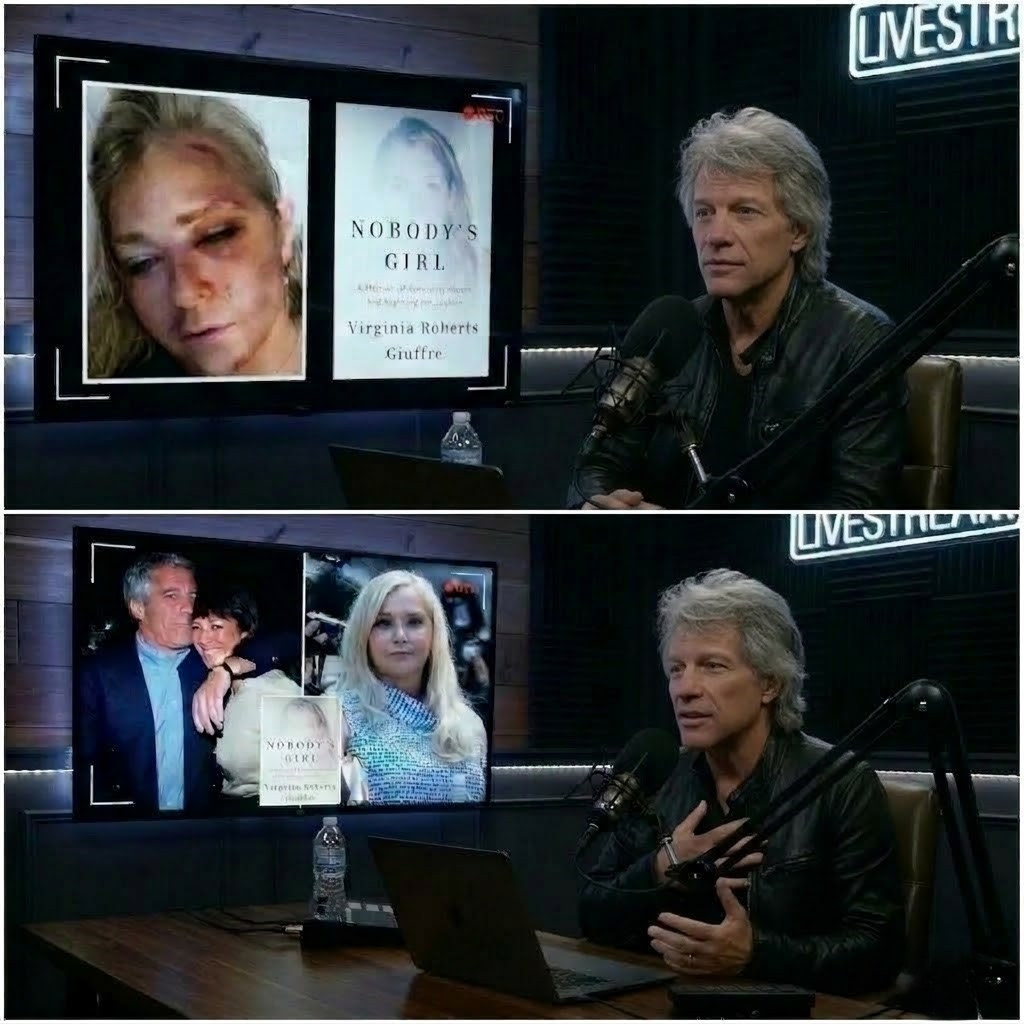
What began as an ordinary week quickly transformed into a global phenomenon when rock legend Jon Bon Jovi launched an unexpected livestream. With no prior announcement, promotion, or buildup, a simple notification was enough to draw millions of viewers within minutes.
The scale of the event was staggering. Within just 24 hours, the broadcast reportedly reached billions of views, making it one of the most talked-about online moments in recent memory. But what truly captured public attention was not the numbers—it was the message.
A Tone Unlike Anything Before
Unlike the performances and public appearances fans have come to expect, this livestream was markedly different. There was no music, no band, and no familiar stage energy. Instead, Bon Jovi appeared under bright studio lighting, composed yet serious, addressing the audience directly.
His opening words immediately set the tone:
"What you think you know… might only be part of the story."
The statement, delivered calmly but deliberately, created an atmosphere more akin to a public address than an entertainment broadcast. Viewers quickly realized that this was not about music—it was about something far more complex.
A Controversy Revisited
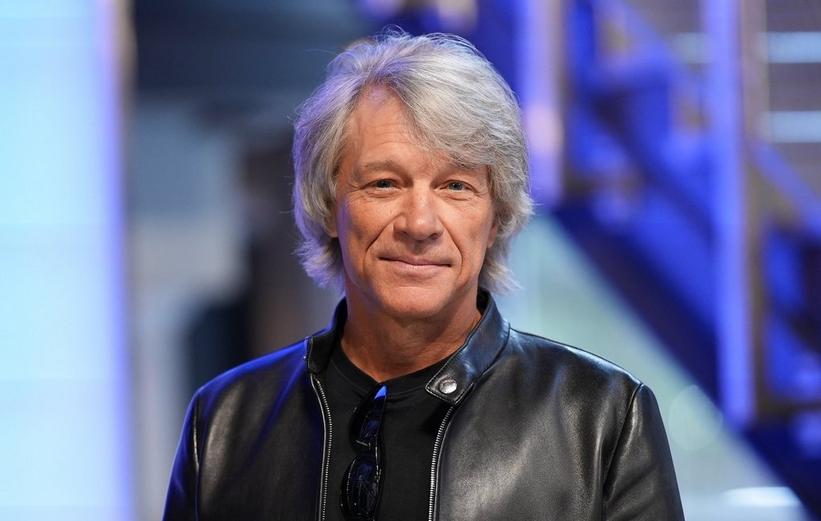
As the livestream continued, Bon Jovi began discussing a long-standing and widely debated issue within the entertainment world. While he avoided making direct accusations or presenting himself as an authority, he emphasized the importance of questioning narratives and seeking deeper understanding.
Behind him, a digital screen displayed blurred imagery from past public events—red carpets, industry gatherings, and large-scale productions. These visuals appeared to serve as a backdrop to his broader message: that not everything seen publicly reflects the full reality behind the scenes.
Bon Jovi's approach was measured. Rather than presenting conclusions, he encouraged viewers to think critically, highlighting the gap that can exist between public perception and private truth.
The Moment That Stunned Viewers
The most striking moment came midway through the broadcast.
Bon Jovi began reading a list of names—individuals who had appeared in various public discussions, media reports, or online conversations related to the broader topic he was addressing.
It was not a short list.
Name after name appeared, forming a sequence that quickly captured the full attention of viewers. Importantly, Bon Jovi did not accuse any of these individuals of wrongdoing. Instead, he framed the list as an illustration of how widespread and interconnected the conversation had become over time.
Still, the impact was immediate.
The livestream chat, once filled with rapid comments and reactions, began to slow. Messages became fewer, shorter, and more cautious. What had started as a typical online event shifted into something quieter—and far more intense.

A Global Reaction
In the hours following the broadcast, reactions spread rapidly across social media platforms, news outlets, and online communities.
Supporters praised Bon Jovi for using his influence to raise questions about transparency and accountability. Many viewed the livestream as a bold move—one that encouraged audiences to look beyond surface-level narratives.
Others, however, expressed concern about the implications of such a public statement. Some critics argued that even without direct accusations, the act of naming individuals could fuel speculation or misunderstanding.
The divide in public response highlighted a broader reality: conversations about truth, responsibility, and influence are rarely simple—and often deeply polarizing.
The Power of Silence
Perhaps the most memorable aspect of the livestream was not what was said, but what followed.
After the list of names, there was a pause.
No music.
No commentary.
Just silence.
In that moment, millions of viewers were left to process what they had just witnessed. The absence of explanation only deepened the sense of tension and curiosity.
It was a rare instance where silence became the most powerful part of the message.
Questions Without Answers
As discussions continue, several key questions remain unanswered:
Why did Bon Jovi choose this moment to speak?
What deeper context exists behind the names mentioned?
And what, if anything, will follow this unprecedented broadcast?
For now, there are no clear conclusions—only speculation and ongoing debate.
A Conversation That Continues
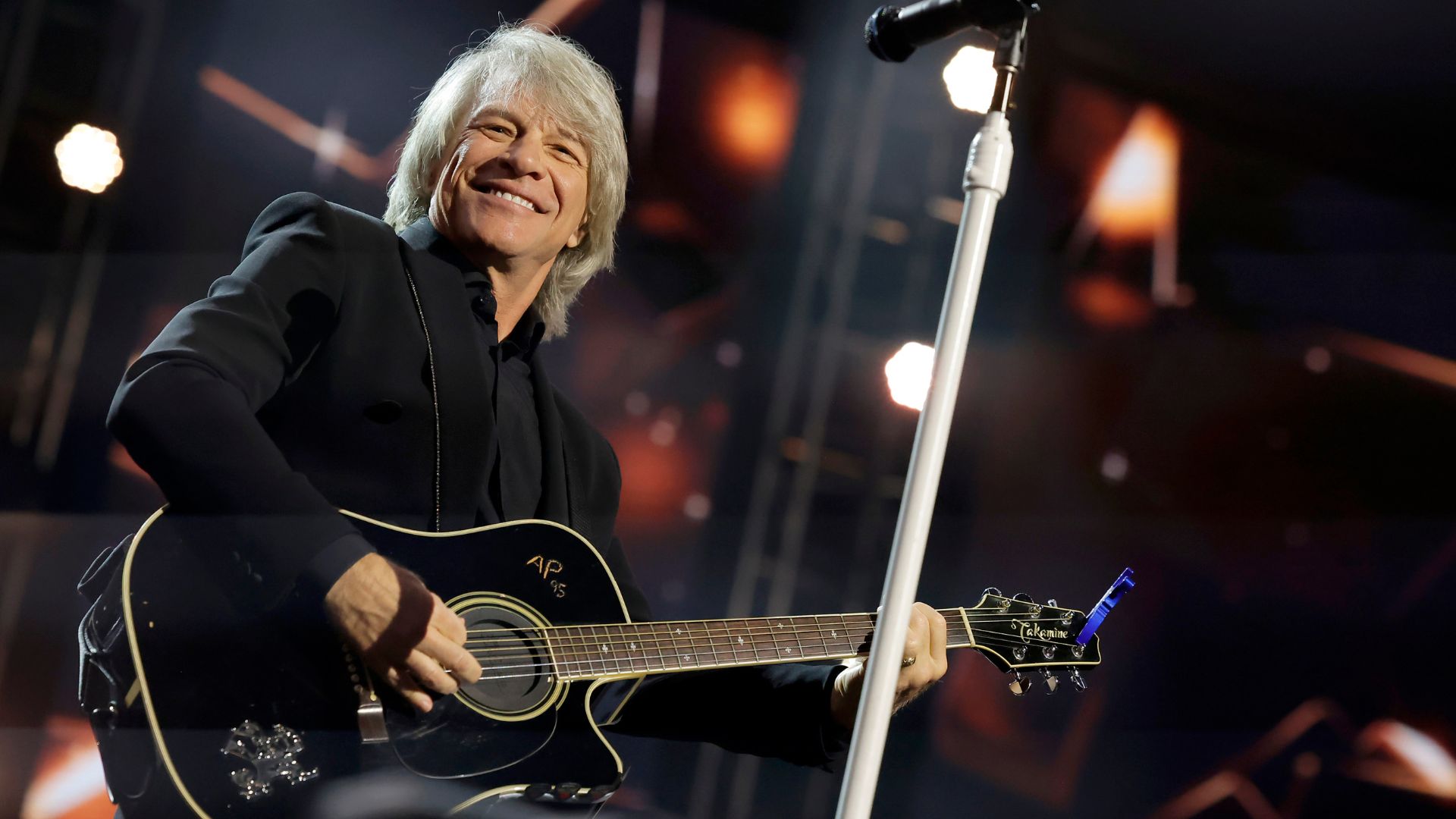
What is certain is that Jon Bon Jovi's livestream has sparked a conversation that extends far beyond a single broadcast. It has challenged audiences to reconsider how information is presented, how narratives are formed, and how much remains unseen behind public events.
Whether viewed as a necessary call for awareness or a controversial use of influence, the livestream has undeniably left a lasting impact.
In an era defined by constant information flow, Bon Jovi's message stands out not for what it revealed—but for what it suggested might still be hidden.
And as the world continues to react, one thing remains clear:
This story is far from over.