

Rock legend Bruce Springsteen is facing growing criticism from fans after reports surfaced that tickets for his upcoming "No Kings" tour are appearing online for prices as high as $3,000, sparking heated debate across social media and fan communities.
For an artist long celebrated as the voice of the American working class, the reported prices have struck a particularly sensitive nerve among longtime supporters. Many fans say the steep costs feel at odds with the themes of solidarity, struggle, and everyday life that have defined Springsteen's music for decades.

Within hours of ticket listings appearing online, social media platforms filled with reactions ranging from disappointment to frustration.
Shock Turns Into Outrage
The controversy began when fans attempting to purchase tickets noticed dramatic price differences across ticketing platforms. While some seats appeared at more traditional concert prices, others were listed at amounts approaching — or even exceeding — $3,000.
Screenshots of the listings quickly spread online, igniting a wave of criticism.
"For someone who sings about working people, these prices are impossible for most of us," one fan wrote on X (formerly Twitter).
Another longtime listener commented that they had attended Springsteen concerts for decades but could not justify paying such high prices.
Many fans expressed disbelief that a tour reportedly carrying the politically charged theme "No Kings" — a phrase often associated with critiques of power and inequality — could come with such costly entry.
The perceived contradiction between message and ticket prices became one of the central points of discussion among critics.
Fans Divided Over the Cause

Despite the backlash, the situation may not be as simple as it first appears.
Several industry observers and experienced concertgoers pointed out that the highest prices may not be set directly by Springsteen or his team. Instead, they may result from a combination of dynamic pricing systems and third-party resale markets.
Dynamic pricing, increasingly used in the live entertainment industry, adjusts ticket prices automatically based on demand. When interest in a concert is extremely high, prices can rise rapidly during the purchasing process.
In addition, tickets frequently appear on secondary resale platforms shortly after their initial release, sometimes at dramatically inflated prices set by resellers hoping to capitalize on demand.
Some fans have urged others to consider these factors before blaming the artist directly.
"People should remember that artists often don't control what happens on resale sites," one supporter wrote online.
Others, however, argue that performers and promoters still share responsibility for how ticketing systems operate.
The Cost of Seeing a Legend
Bruce Springsteen remains one of the most celebrated live performers in music history.
Nicknamed "The Boss," he has spent more than five decades performing marathon concerts known for their emotional intensity and connection with audiences. Many fans consider his shows among the most powerful live experiences in rock music.
That reputation contributes to extremely high demand whenever new tours are announced.
Industry analysts note that demand for Springsteen tickets has remained remarkably strong, even as the singer enters his seventies.
"Springsteen concerts are almost cultural events," one music industry analyst said. "When tickets go on sale, demand can be overwhelming."
Such demand can push prices higher, particularly in markets where thousands of fans are competing for a limited number of seats.
A Longstanding Conversation About Ticket Pricing
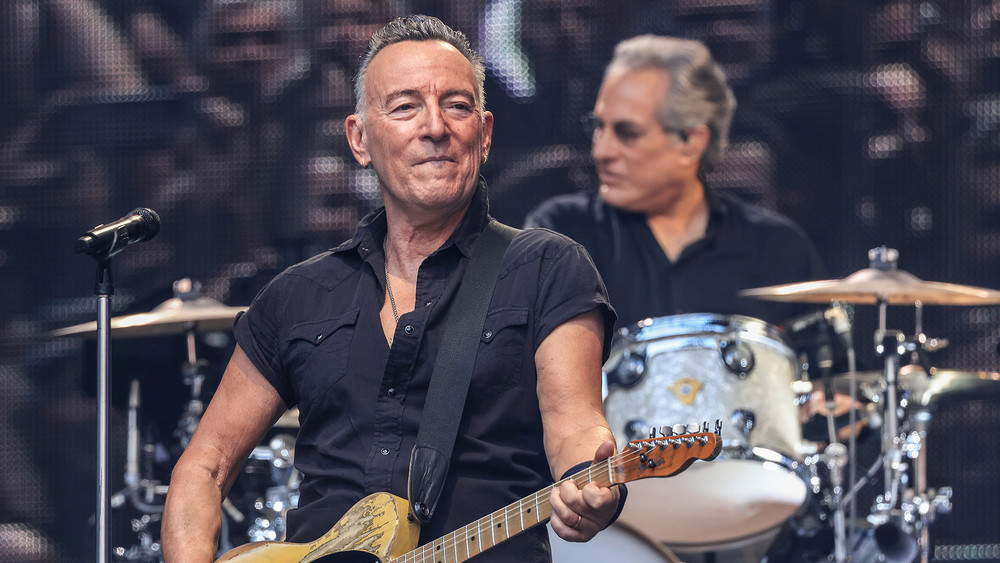
The debate surrounding Springsteen's ticket prices is part of a broader conversation about the economics of live music.
In recent years, fans have voiced increasing frustration about rising concert costs across the industry. Major tours from high-profile artists frequently feature premium tickets that can reach several thousand dollars, especially for VIP seating or resale listings.
Critics argue that these systems often leave ordinary fans priced out of events that once felt accessible.
Supporters of the industry model counter that modern tours involve massive production costs, large touring crews, and complex logistics, all of which contribute to higher ticket prices.
Dynamic pricing, they say, also helps ensure that revenue goes to artists and promoters rather than exclusively to scalpers.
Still, the emotional connection between Springsteen and his audience makes this debate particularly charged.
Springsteen's Working-Class Image
Throughout his career, Springsteen's songwriting has focused on the lives of working-class Americans.
Songs like "Born to Run," "The River," and "Born in the U.S.A." explore themes of economic hardship, hope, resilience, and the pursuit of dignity in difficult circumstances.
For many listeners, those themes created a powerful bond between the artist and his audience.
That is why some fans say the reported ticket prices feel especially jarring.
"It's not just the money," one commenter wrote. "It's the feeling that the music was always about us."
Others argue that the criticism overlooks the realities of modern touring and the complexity of today's ticketing systems.
No Official Response Yet
As the debate continues to unfold online, Springsteen and his representatives have not yet issued a detailed public statement addressing the controversy surrounding the ticket prices.
Meanwhile, the conversation among fans shows no sign of slowing down.
Some supporters remain determined to attend the tour regardless of the cost, viewing the chance to see Springsteen live as a once-in-a-lifetime experience.
Others say they hope the discussion will lead to broader changes in how concerts are priced and sold.
A Reflection of a Changing Music Industry
Ultimately, the backlash surrounding the "No Kings" tour illustrates a larger shift within the music industry — one where passionate fan communities increasingly challenge the economics of live entertainment.
For Bruce Springsteen, whose career has been built on a powerful connection with audiences, the debate highlights just how deeply fans still care about the relationship between artist, message, and music.
And as tickets continue to circulate and conversations unfold online, one thing remains clear: when it comes to The Boss, fans are never shy about making their voices heard.